Jeddah:
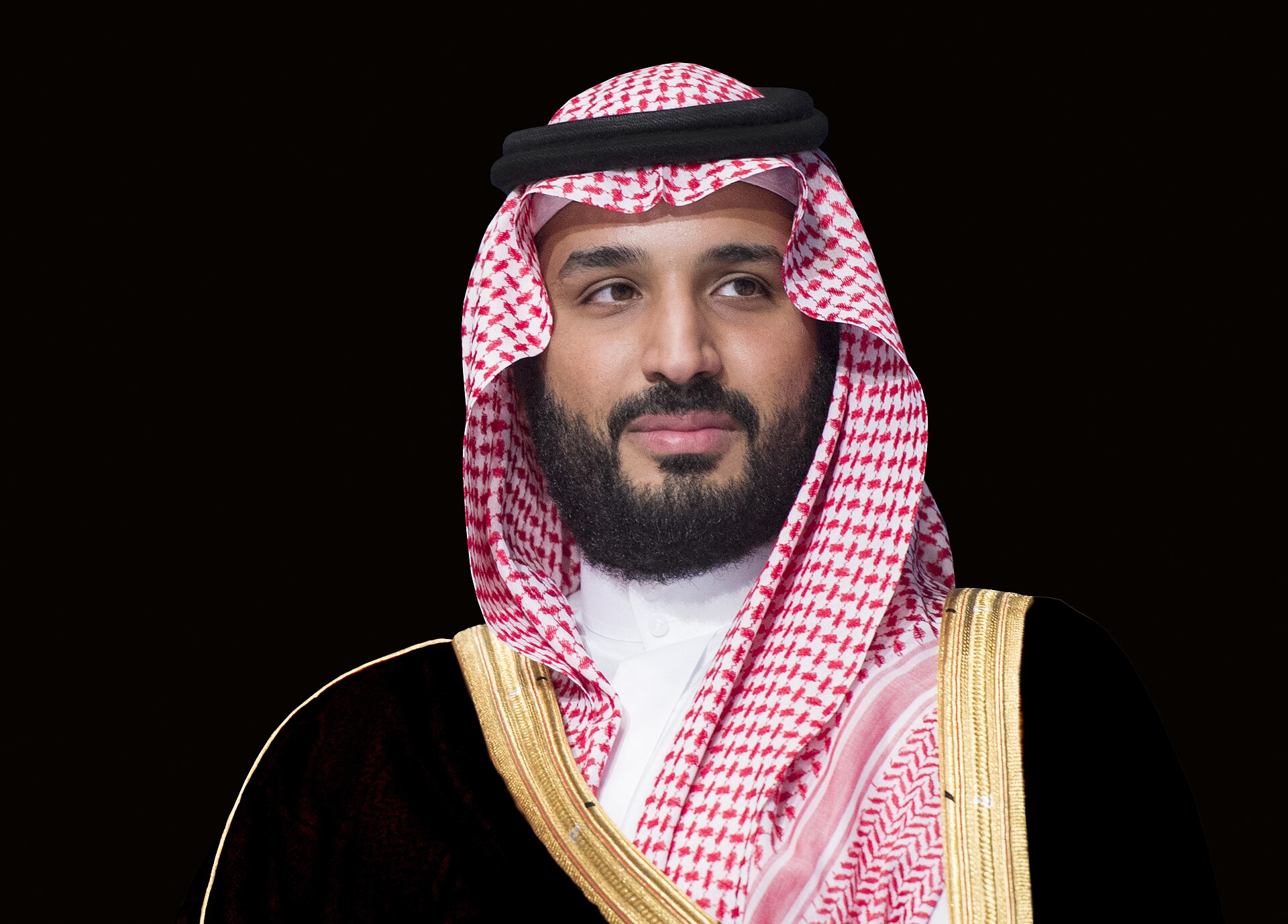
Gulf leaders met in Jeddah on Tuesday for the first time since the US-Israel war on Iran began, and the language of their closing statement suggested how much the past two months have changed the calculation. Saudi Crown Prince Mohammed bin Salman chaired the 19th Consultative Summit of the Gulf Cooperation Council, which brought together the rulers and heads of delegation of all six member states.
It was convened as an extraordinary session rather than a scheduled annual summit. The Crown Prince received Bahrain's King Hamad bin Isa Al Khalifa and Qatar's Emir Sheikh Tamim bin Hamad Al Thani ahead of the meeting.
Defence dominated the agenda. According to accounts of the final communique, leaders underlined that the security of the member states is indivisible, and that a threat to any one of them is treated as a threat to all. GCC Secretary-General Jasem Al Budaiwi said the leaders had discussed the escalation in the region and explored ways to reach a diplomatic solution to end the crisis.
Two military decisions emerged from the session. The first was a call to intensify integration between member states' armed forces. The second, and the one Gulf officials have been pressing for longest, was an instruction to accelerate completion of the joint early warning system against ballistic missiles, a project agreed years ago that has moved slowly ever since.
Leaders also asked for work to begin on studying strategic Gulf stockpiles, meaning shared reserves of fuel, food and essential supplies held against a supply shock.
The economic items followed the same reasoning. The statement pressed for faster implementation of the Gulf Railway, progress on electricity interconnection, and prompt steps on oil and gas pipeline projects and water links between member states. All of it amounts to infrastructure that would give the bloc alternatives to sea routes the past two months have shown to be vulnerable.
Sheikh Tamim set out Qatar's reading in a post on X. The summit, he wrote, embodied a unified Gulf stance towards current developments and "the need it entails for intensifying coordination and consultation, in a manner that strengthens our countries' active role in supporting diplomatic paths, safeguarding the security of the region and the stability of its people."
The ease of the Saudi-Qatari exchanges was itself worth noting. Nine years ago the two sat on opposite sides of a blockade that split the council until 2021.
Not everything pointed to convergence. Euronews, reporting on the summit, noted that absences among some delegations and differences in emphasis across national statements marked the limits of what the bloc can still coordinate on. Saudi Arabia is due to host an EU-GCC summit in Riyadh later this year, which will test whether the deterrence agenda set out in Jeddah survives contact with partners outside the region.